
Archaeology is a physical glimpse into the past that reveals how and where people lived. AEW provides comprehensive archaeological services for our clients, from artifact analysis to cultural resource management.
AEW Archaeology
AEW Archaeology
AEW Archaeology
Cultural Resource Management
CRM services focus on assessing the impact of development projects on archaeological resources. Archaeologists work with developers and government agencies to ensure that cultural resources are protected or mitigated during construction activities. This can include site evaluation, excavation, monitoring, and documentation.
AEW Archaeology
AEW Archaeology
AEW Archaeology
Archaeological Overview Assessments (AOA)
In an AOA, also known as a Desktop Assessment, our team reviews existing readily available ethnographic, archaeological, cultural, environmental, and historical data within a proposed project area or development. The results of these studies inform our recommendations which may call for further archaeological studies in advance of, or concurrent with, a proposed project.

AEW Archaeology
AEW Archaeology
AEW Archaeology
Archaeological Compliance
Ensuring compliance with federal, provincial, and local regulations related to cultural heritage preservation is a crucial aspect of archaeological services in BC. This involves obtaining permits and adhering to legal requirements when conducting archaeological work.
AEW Archaeology
AEW Archaeology
AEW Archaeology
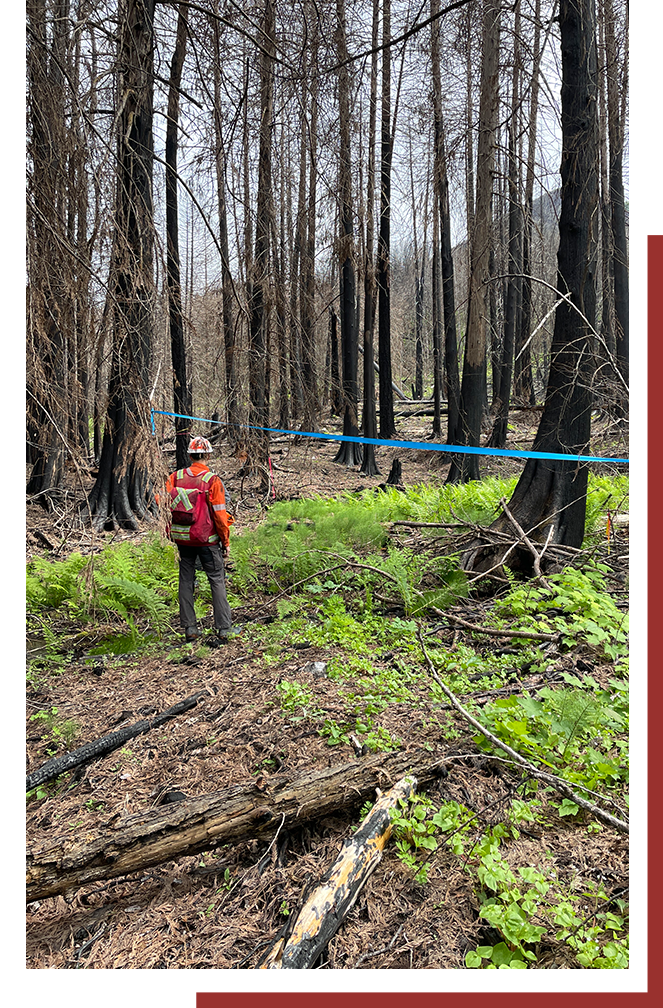
Heritage Field Reconnaissance (HFR)
Also known as Preliminary Field Reconnaissance, our heritage specialists conduct a field survey of a project area to assess the location for Areas of Interest where archaeological sites and features may be located. The results of these surveys inform recommendations regarding proposed developments, and are used to structure the level of effort that may be required for a specific project area/component.
AEW Archaeology
AEW Archaeology
AEW Archaeology
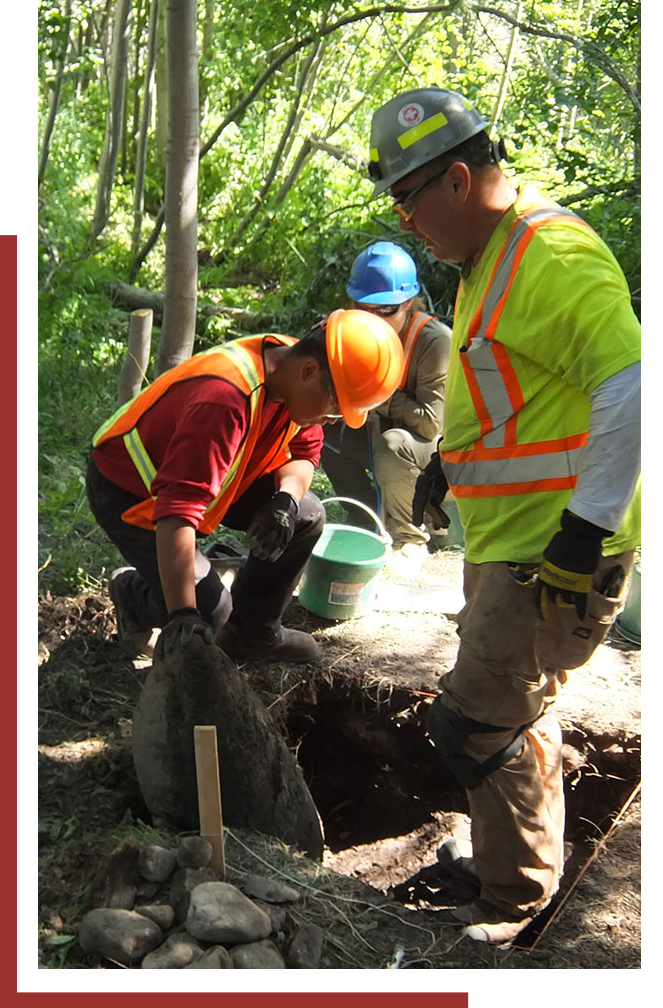
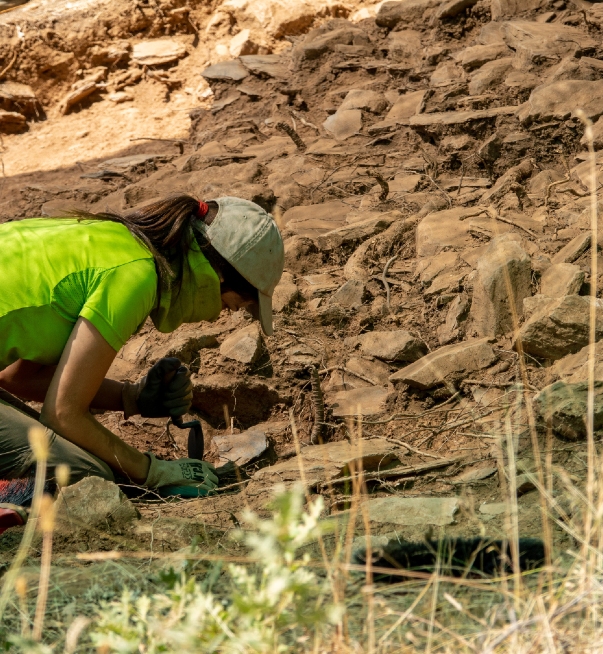
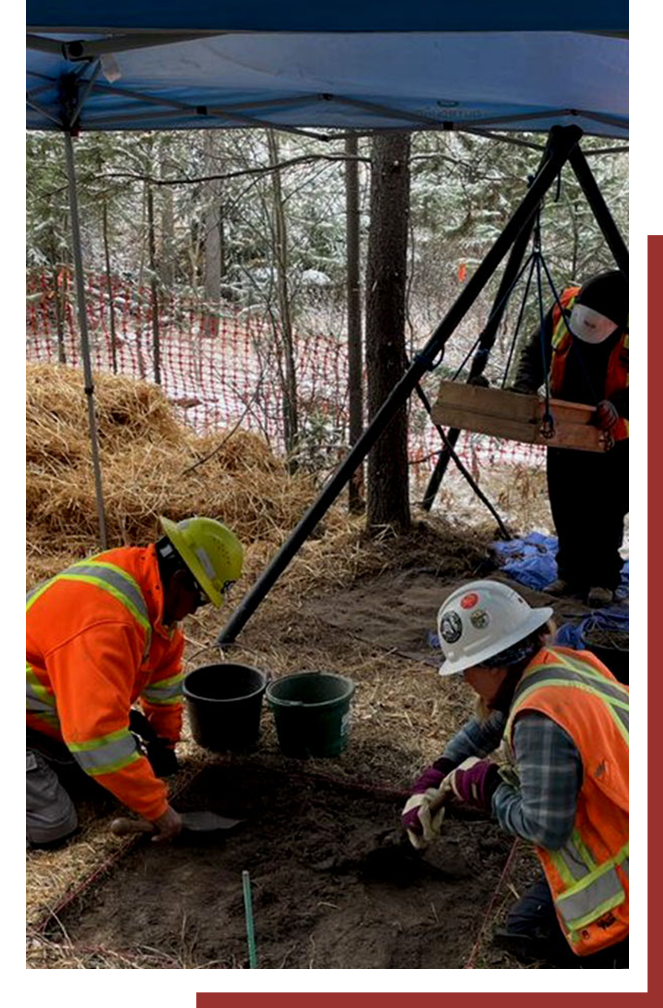
Archaeological Excavation
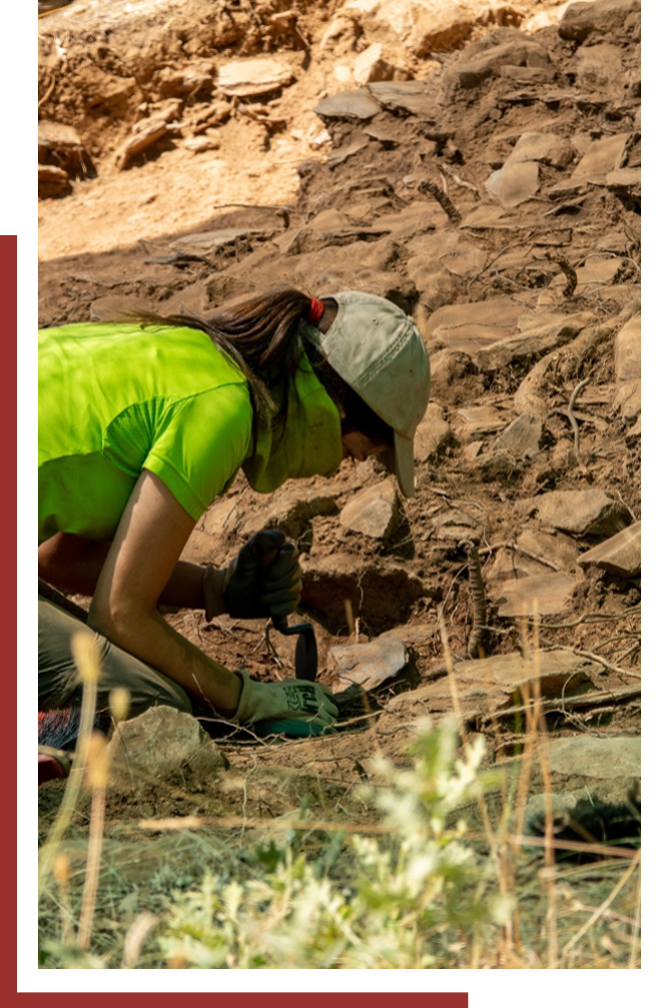
Excavation involves systematically digging and recording within archaeological sites to recover artifacts and other cultural materials, or to identify and map buried features. This process allows archaeologists to gather information about past human activities, settlement patterns, and lifestyles. Excavation can be used to build knowledge about a specific site to provide recommendations in advance of development related impacts or to mitigate damage to a site that is anticipated as a result of development.
AEW Archaeology
AEW Archaeology
AEW Archaeology
Artifact Analysis
Following recovery from shovel testing or excavation, archaeologists analyze recovered artifacts, ecofacts (environmental remains), and samples taken from archaeological features to interpret the site’s history. This analysis can provide insights into the nature of the site that was excavated, past technologies, trade networks, subsistence strategies, and cultural practices.

AEW Archaeology
AEW Archaeology
AEW Archaeology
Archaeological Reporting
Archaeological reports are essential for documenting and sharing findings. These reports detail excavation methods, findings, and interpretations. They are often submitted to regulatory authorities, landowners, and researchers to ensure transparency and compliance with cultural heritage preservation laws.